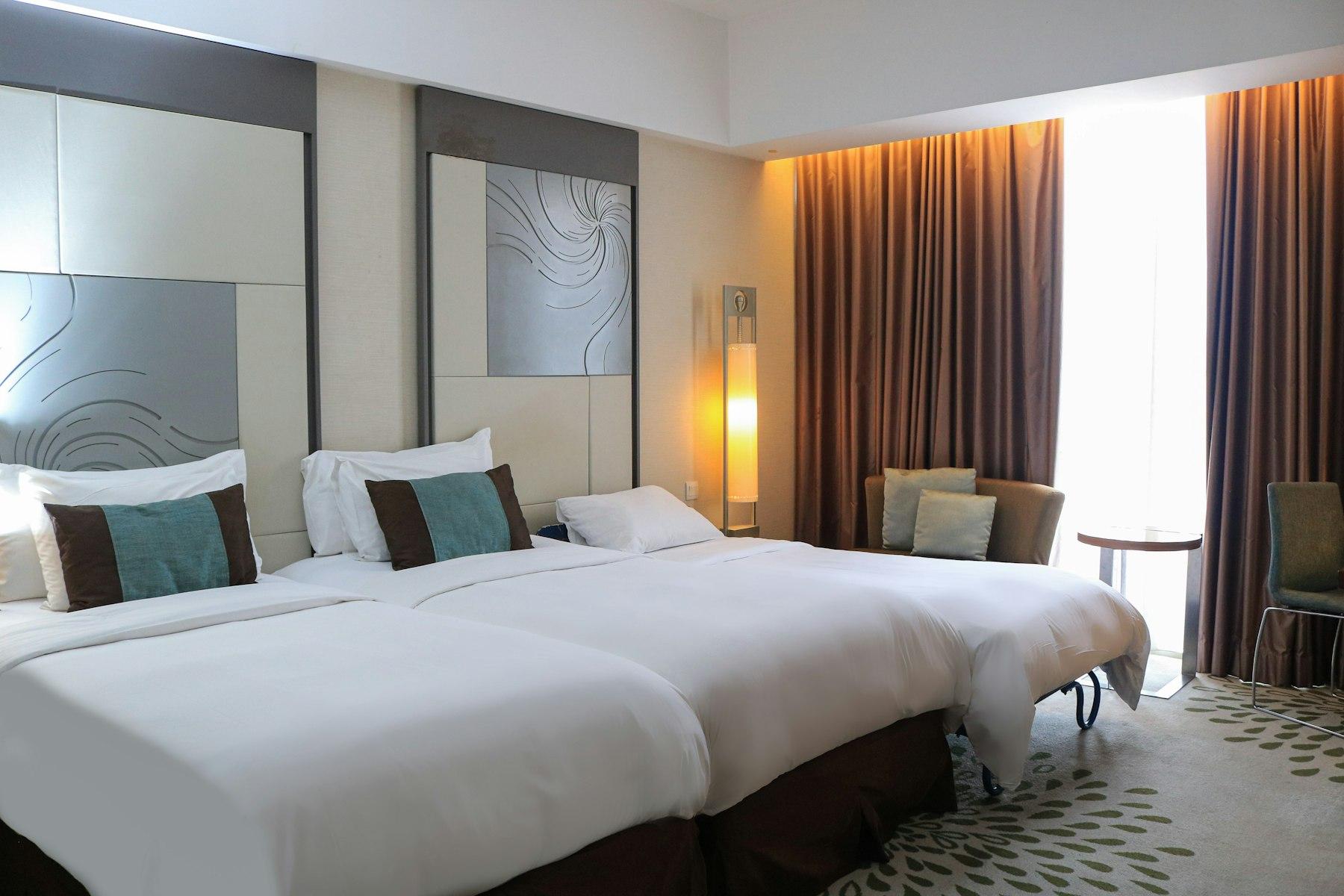
Motel room inspection checklist
The short answer
In the first ten minutes, check safety (door lock, smoke alarm, exit map, windows), then bed bugs (bags on the rack, mattress seams and headboard, as the EPA and CDC advise), then comfort (water, heating and AC, Wi-Fi). Report any problem to the desk before you unpack.
What should you check in a motel room on arrival?
Work through eleven checks in the order you meet them: lock and peephole, smoke alarm, windows; then the luggage rack, mattress seams and headboard for bed bugs; then water, heating and AC, and Wi-Fi; and finally report any problem before unpacking. Tick them off below; the plan shows where each one is in the room.
Reading now Checked Overhead
Bed-bug steps from EPA and CDC guidance.
Your ticks stay on this device only. Nothing is sent anywhere.
Why inspect a motel room at all?
Because moving rooms is easy before you unpack and hard after. Ten minutes on arrival catches a broken lock, a missing smoke alarm or signs of bed bugs while the desk still has other rooms to offer, and photos taken now protect you against damage charges later. The EPA advises inspecting any room you stay in for bed bugs.
How do you do a bed-bug check, step by step?
Keep bags off the bed and floor, check the luggage rack and use it, then pull the sheets back at the head of the bed and light the mattress seams, corners and tags with your phone. Look along and behind the headboard and in the nightstand joints. The CDC’s signs are rusty spots, shed skins, live bugs and a sweet, musty smell.
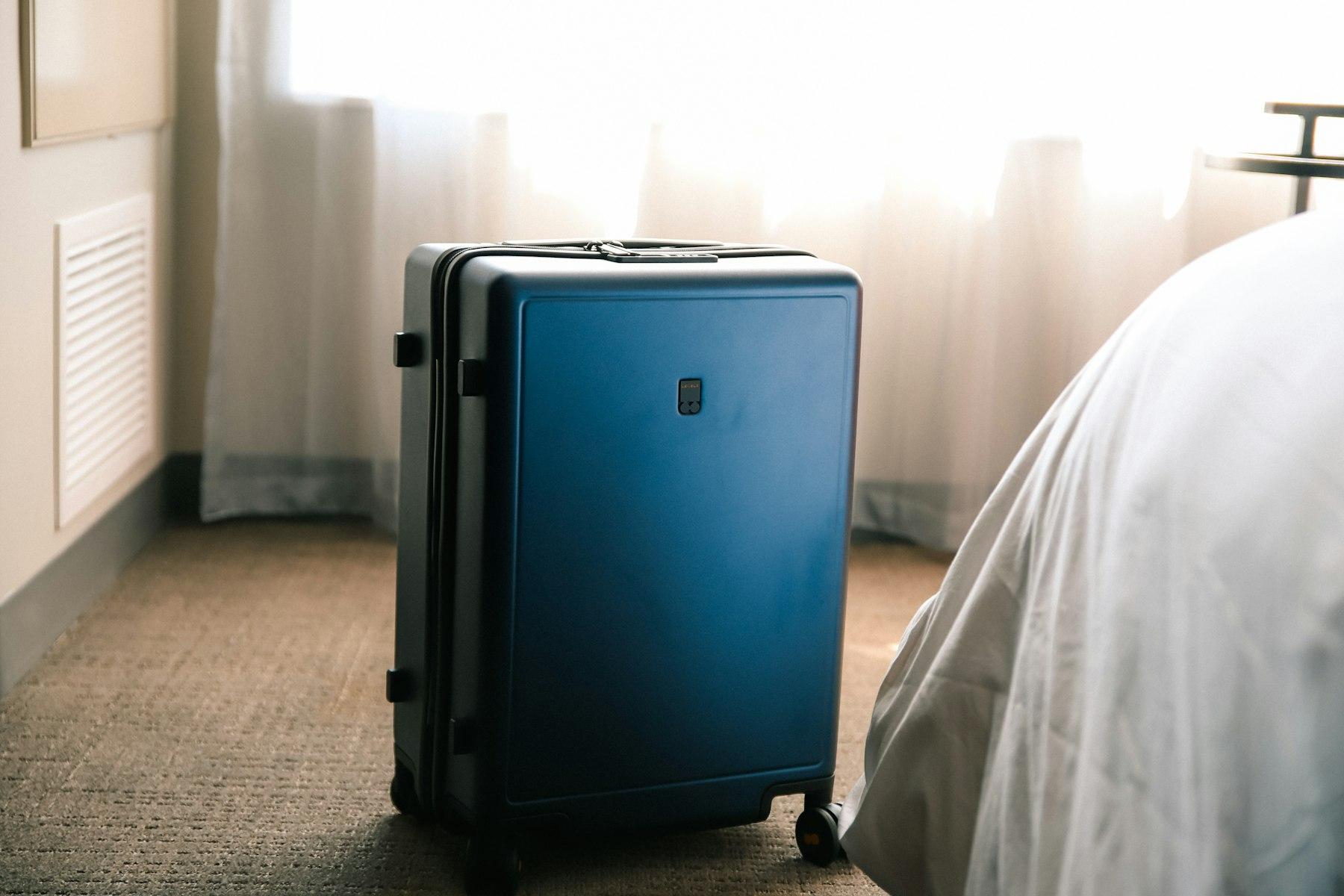
- Bags on the rackInspect the luggage rack first, as the EPA advises, and keep luggage off the bed and floor until the room passes.
- Strip the head of the bedPull back sheets and the mattress pad at the pillow end, where people sleep longest.
- Light the seamsUse your phone light on seams, piping, corners and labels, and on the box spring if you can lift the mattress edge.
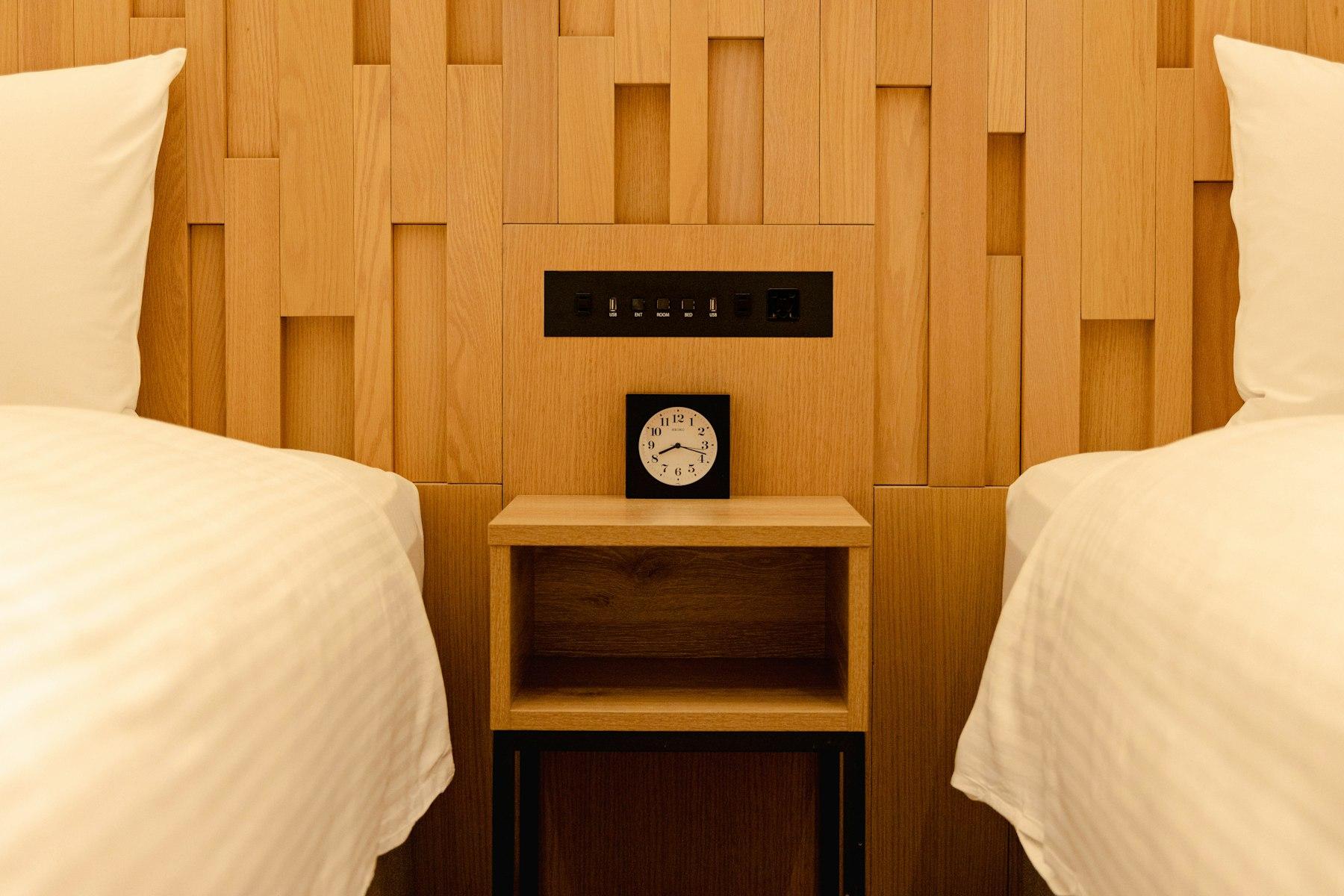
- Headboard and nightstandsBed bugs usually stay within about 8 feet of where people sleep, so check the headboard edges, behind it if it lifts, and furniture joints.
- Know the signsSmall reddish-brown bugs 1 to 7 mm long, rusty or dark spots, shed skins, and a sweet, musty odor (CDC).
Which safety checks matter most in a motel room?
At a motel, the door opens straight to the outside, so the lock matters more than at a corridor hotel. Check that the deadbolt throws fully, the latch or bar engages and the door closes on its own, then find the smoke alarm and the exit map, and make sure windows and any connecting door lock from your side.
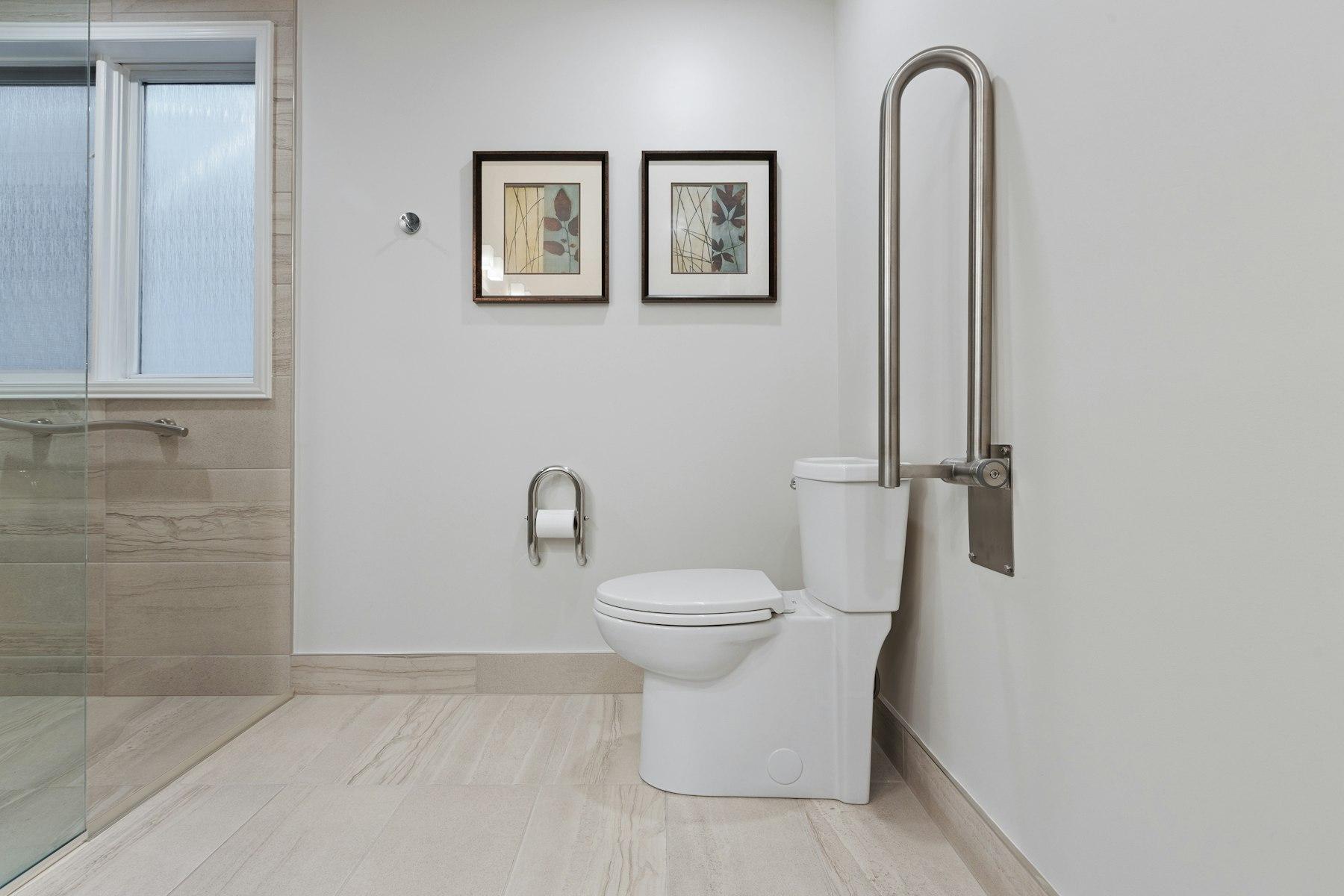
Never cover or disconnect a smoke alarm: some motels treat that as grounds to remove a guest: WoodSpring Suites lists tampering with smoke detectors and window stops among them. If you need visual alarms, book an accessible room with communication features.
What should you do if the room fails a check?
Photograph the problem with the time visible, leave your bags where they are, and go to the desk straight away. Ask for a different room, ideally not next to, above or below a room with bed bugs, or for a refund if no suitable room is free. Get the name of the person you spoke to.
If you booked through a travel site and the motel cannot help, contact the site’s support while you are still on the property: it can often move you to another motel that night.
What should you check when you leave?
Before checkout, check under the bed, in the bathroom and the room safe, take your key card back to the desk, and keep the final receipt. At home, follow the EPA’s advice: unpack straight into the washing machine and inspect your luggage, so nothing comes home with you.
Then make sure the card hold is released: see motel fees and deposits.
Frequently asked questions
Before unpacking, put your bags on the luggage rack after checking it, then pull back the sheets at the head of the bed and use a phone light on the mattress seams, corners and tags, and along the headboard. The CDC lists rusty or dark spots, shed skins, the bugs themselves and a musty smell as signs.
The CDC describes bed bugs as small, flat, wingless, reddish-brown insects about 1 to 7 millimeters long. They hide in seams and cracks near where people sleep, usually within about 8 feet of the bed, and feed at night.
Leave your bags on the rack or in the car, take a photo, and go to the front desk at once. Ask for a room that is not next to, above or below the affected one, or a refund. When you get home, the EPA advises unpacking straight into the washing machine and inspecting your luggage.
According to the CDC, bed bugs are not known to spread diseases to people. Their bites can itch, disturb sleep and, rarely, cause allergic reactions, and some people do not react to bites at all, so bites alone are not a reliable sign of bed bugs.
Sources
- 01Bed bugs: tips for travelU.S. Environmental Protection Agency, updated October 8, 2026
- 02About bed bugsU.S. Centers for Disease Control and Prevention, April 26, 2024
- 03WoodSpring Suites hotel policiesWoodSpring Suites (Choice Hotels)
- 042010 ADA Standards for Accessible Design (sections 224 and 806, transient lodging guest rooms)ADA.gov, U.S. Department of Justice
Checked November 26, 2026. Policies change and many are set hotel by hotel, so confirm with the property before you book. We are not affiliated with any brand named. Read the disclaimer or how we check facts.